
Halal Indian Tiffin Options in Australia
The difference between certified halal and halal-practice, and why it matters which one you’re getting
A large part of the Indian and South Asian food scene in Australia is Muslim-owned or halal-focused, but ‘halal’ isn’t always clearly labelled on every tiffin menu, and it isn’t a single simple checkbox either. Here’s how to confirm before you order if it matters to you.
✅ Certification vs Practice: Why the Distinction Matters
Some providers hold formal halal certification from a recognised body — a documented, audited standard. Others follow halal practices genuinely and consistently without paying for formal certification, which is common among smaller home-kitchen operations. Both can be entirely legitimate, but they’re not the same thing, and if formal certification specifically matters to you — rather than just a provider’s own assurance — you need to ask which one you’re actually getting.
🔍 What Else to Check
- Meat sourcing: ask where meat is sourced from and whether it’s certified halal at the supplier level.
- Kitchen practices: if cross-contamination with non-halal ingredients matters to you, ask directly about kitchen setup.
- Alcohol in cooking: confirm no wine or alcohol-based ingredients are used, which occasionally appear in fusion-style Indian dishes.
🍽️ Halal-Friendly Regional Cuisines
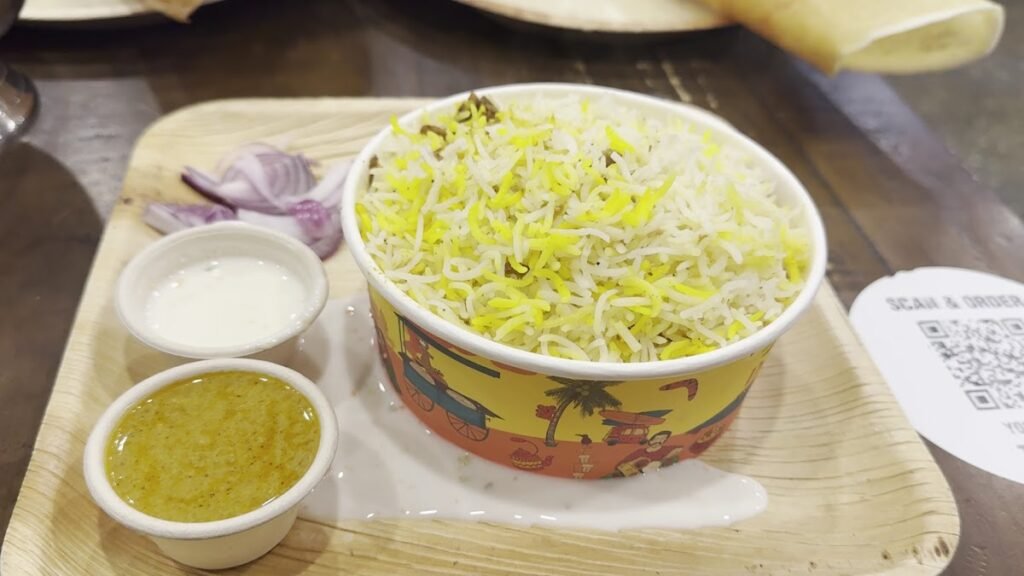
Mughlai and Hyderabadi-style Indian cooking — biryanis, kebabs, korma — have strong Muslim culinary roots and are commonly halal where meat is sourced accordingly. Many providers specialising in these styles are halal by default, though it’s still worth confirming directly rather than assuming based on the cuisine style alone.
❓ Frequently Asked Questions
Ask directly about certification and meat sourcing — don’t assume based on cuisine style alone, even for dishes with Muslim culinary origins.
Not automatically — it depends on the specific provider’s meat sourcing and kitchen practices. Vegetarian dishes avoid the question entirely.
Often yes, given their culinary origins, but always confirm directly with the specific provider rather than assuming.
Check individual provider listings and contact them directly to confirm current certification status.